The starting point: about AUD 26–35 an hour
From 1 July 2026, the adult minimum wage is AUD 26.44 gross per hour. Gross means before tax. Many young travellers have flexible jobs paying roughly AUD 32–35 an hour, but the employer may not promise a fixed number of hours.
At 17, 18 or 19, some sectors can still pay a lower youth rate. Always ask about hourly pay, expected weekly hours and the first payday.
- ✓Adult minimum: AUD 26.44 gross an hour
- ✓Many flexible jobs: about AUD 32–35 an hour
- ✓Under age 20 or 21, pay can sometimes be lower
- ✓A high rate is less useful without regular hours
Jobs that are easier to target
These are simple guide figures for an adult in a flexible job. Evenings, nights, weekends and public holidays can pay more, but do not build your budget around the very best rate.
- ✓Hotel, café or restaurant: about AUD 32–33/h
- ✓Fast food or shop work: about AUD 35/h
- ✓Warehouse work: about AUD 34/h
- ✓Harvest and horticulture: about AUD 32/h
- ✓Sunday or public holiday: sometimes AUD 45–70/h
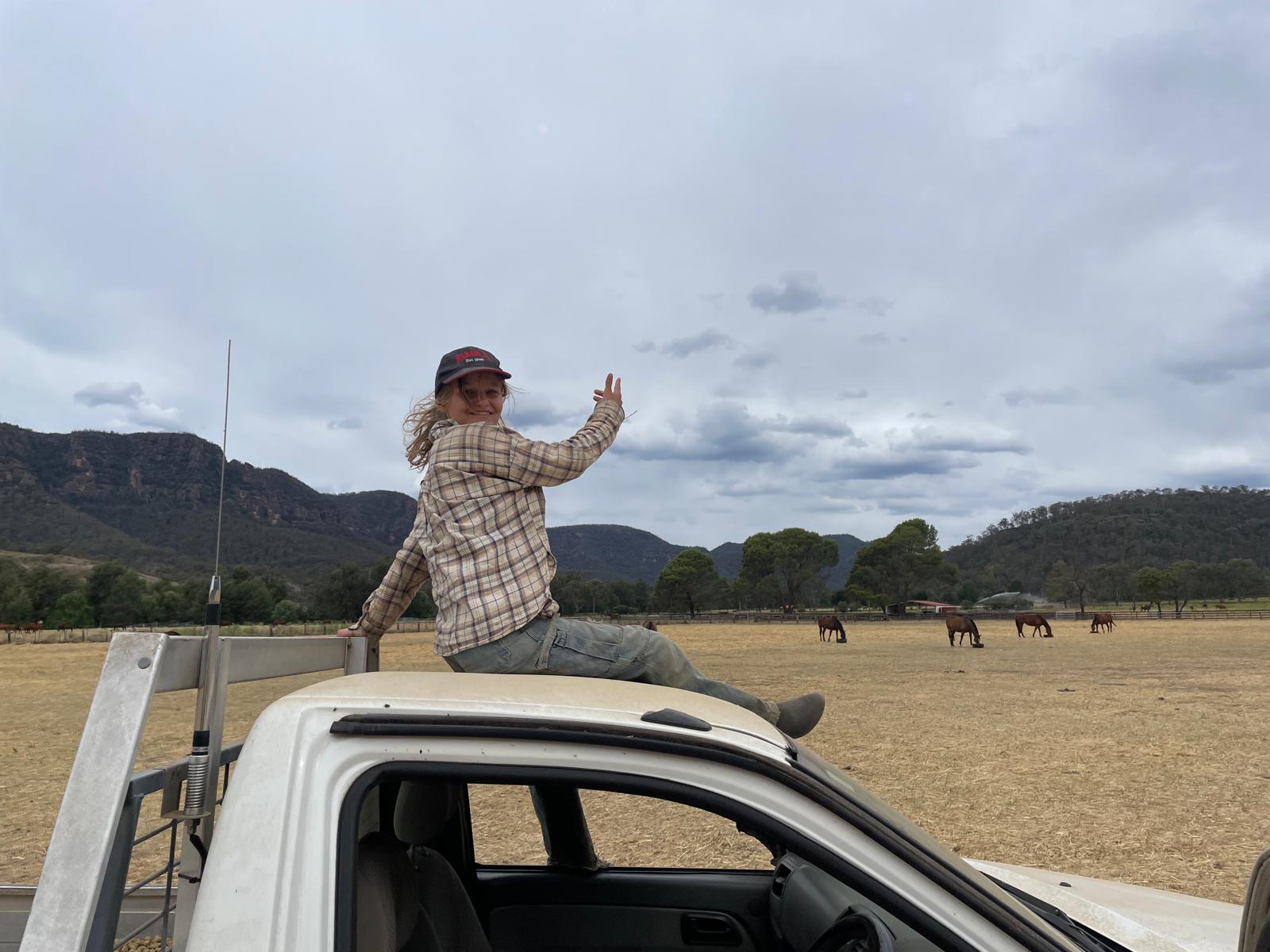
Farms, livestock and horses
An adult farm beginner often starts at about AUD 32 gross an hour. With experience or more responsibility, the rate can move towards AUD 40. Horse jobs also tend to begin around AUD 32, with higher pay for experienced riders and skilled workers.
A farm may provide a room or meals and take the price from your pay. Ask for that weekly cost before accepting.
- ✓Beginner: about AUD 32/h
- ✓With experience: sometimes AUD 34–40/h
- ✓Check paid hours and housing costs
- ✓Check second-year visa eligibility separately
Traffic control: training and pay
This job means directing vehicles and keeping a roadwork area safe. You need recognised training and normally a basic construction safety card.
Complete training can cost about AUD 450–900. Many listings show about AUD 36–40 gross an hour. Nights and weekends can pay more, but weekly hours may change.
- ✓Training: about AUD 450–900
- ✓Common advertised pay: about AUD 36–40/h
- ✓AUD 40 × 38 hours = AUD 1,520 gross
- ✓Make sure the training centre is approved by the state
Can someone really earn AUD 150,000–200,000?
Only in unusual situations involving many nights, about 50–56 hours each week, overtime and very few breaks. ABC suggested AUD 55,000–75,000 a year as a more realistic range for many traffic controllers.
One AUD 180,000 story involved mostly night work and almost constant availability. It is not a normal beginner salary.
- ✓Count the actual hours
- ✓Check whether shifts are guaranteed
- ✓Think about sleep and health
- ✓A viral payslip shows only one person’s case
Mining and FIFO
FIFO means working for several days at a remote site, then flying back for time off. When beginners and very experienced mining workers are counted together, weekly earnings are around AUD 2,832 gross. Entry jobs can pay about AUD 34–47/h and skilled jobs sometimes AUD 50–72/h.
The best roles usually require experience, licences, a medical and testing. A working holiday visa alone is not enough.
- ✓Entry jobs: about AUD 34–47/h
- ✓Skilled roles: sometimes AUD 50–72/h
- ✓Long days in remote places
- ✓Entry is never automatic
Three useful pay scenarios
AUD 32.18 for 38 hours is about AUD 1,223 gross a week. AUD 40 for the same hours is AUD 1,520. A AUD 2,500 week may be possible with a high rate, nights or 50-plus hours, but it says nothing about weeks with no shifts.
Over 52 uninterrupted weeks, the first two examples equal roughly AUD 63,600 and AUD 79,000 gross. Real working holidays usually include arrival, job hunting, travel and moves.
- ✓Conservative: 25–30 hours at a legal rate
- ✓Stable: 38 hours at the sector rate
- ✓Intensive: verified nights and overtime
- ✓Compare guaranteed weekly earnings, not just the best advertised rate
Tax and real savings
With a registered employer, many working holiday makers pay 15% tax on their first AUD 45,000. From AUD 1,223 gross, about AUD 1,040 would remain after a simple 15% deduction. Your final yearly result can vary.
The employer also pays money into an Australian retirement account. You cannot spend it each week, and a large part is taxed when a traveller claims it after leaving.
- ✓Get an Australian tax number
- ✓Check every payslip
- ✓Allow roughly 15% for tax at first
- ✓Then subtract housing, food and transport
Can you really save money?
Yes, especially with regular hours, shared housing, home cooking and a willingness to move for work. We would build the starting budget around 25–30 hours and treat nights, mining or major projects as a possible bonus.
Ask five simple questions: hourly pay, weekly hours, working days, housing deductions and payday.
Official and useful sources
- Fair Work — salaire minimum australien 2026 ↗
- Fair Work — Hospitality Award 2026 ↗
- Fair Work — Fast Food Award 2026 ↗
- Fair Work — Retail Award 2026 ↗
- Fair Work — Horticulture Award et piece rates ↗
- Fair Work — Pastoral Award 2026 ↗
- Fair Work — Horse and Greyhound Training Award 2026 ↗
- Fair Work — Storage Services and Wholesale Award 2026 ↗
- Jobs and Skills Australia — Mining ↗
- Programmed — exemples de postes et taux FIFO, juin 2026 ↗
- ATO — taux d’imposition Working Holiday Maker ↗
- ATO — super guarantee ↗
- ATO — retenue DASP pour les titulaires d’un PVT ↗
- SafeWork NSW — Traffic Control Work Training ↗
- Indeed Australia — salaire Traffic Controller ↗
- SEEK — exemples d’offres Traffic Controller ↗
- ABC News — peut-on vraiment gagner 200 000 AUD en signalisation ? ↗
- TMT Training — exemple de prix TCR + IMP + White Card ↗
- Commonsense Safety — exemple de forfait complet NSW ↗
- Témoignage Reddit — Traffic Controller, 1 an d’expérience ↗
Rules and prices can change. Always check the official links before booking or submitting an application.